We've noticed this article on Pros and Cons of Tankless Water Heater listed below on the net and thought it made sense to write about it with you over here.

In a globe where benefit and effectiveness reign supreme, it's not a surprise that house owners are continuously on the lookout for smarter methods to manage their home's energy consumption and comfort. One technology that has continuously gained popularity is the tankless hot water heater. But exactly what makes these systems stand apart from the standard tank-based designs a lot of us grew up with? Let's dive in and check out the benefits of tankless hot water heater, helping you determine if it's time to make the button in your house.
Intro
Image this: you enter the shower after a lengthy day, expecting a relaxing waterfall of hot water, only to be greeted by icy droplets because the last individual utilized everything up. Audio familiar? Traditional hot water heater store a set amount of hot water, suggesting you go to the grace of that container's supply. Tankless systems, on the other hand, warm water as needed. No more running out mid-shower, say goodbye to fumbling with schedules simply to guarantee warm water is readily available.
Recognizing Tankless Hot Water Heater
What Are Tankless Hot Water Heater?
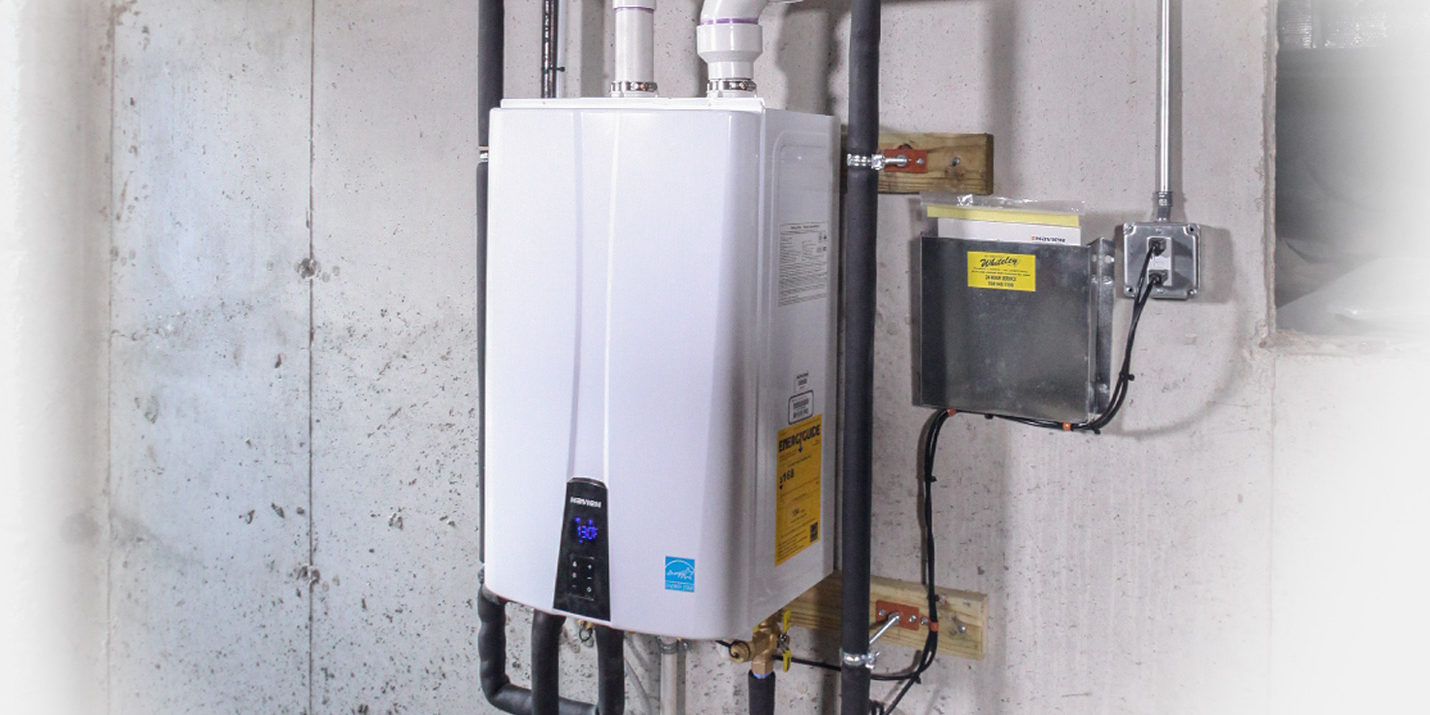
Tankless water heaters, in some cases known as on-demand or immediate water heaters, give warm water only as it's required. Instead of storing gallons of pre-heated water, these systems kick into action the minute you turn on the tap. Water passes through a heat exchanger, warming up in real-time, indicating you obtain an undisturbed flow of hot water without the demand for a large tank resting lazily by.
How Do They Differ from Standard Solutions?
Typical heaters hold a tank of hot water, using power to keep that tank at a regular temperature level. Tankless devices eliminate the standing supply, reducing squandered power and the bulky footprint of a large cylinder. Basically, you're updating from a "accumulation" way of thinking to a "made-to-order" method.
Typical Types of Tankless Units
Tankless water heaters normally are available in 2 selections: gas and electric. Gas versions have a tendency to supply higher flow rates, ideal for larger homes, while electric designs usually serve smaller homes and are typically much easier to set up. Furthermore, some systems are created for point-of-use (serving one component) while others can manage the entire home's hot water needs.
Trick Benefits of Tankless Water Heaters
Energy Efficiency and Cost Financial Savings
Say goodbye to heating up a titan container's worth of water and keeping it toasty all the time. Tankless heating units lower standby energy losses, which can decrease utility expenses. While the initial price may be greater, the long-lasting cost savings usually warrant the investment.
3. Space-Saving Style
If your home is short on storage, eliminating the cumbersome tank frees up useful space. Tankless devices are compact and can often be installed on wall surfaces, stashed in edges, or set up in limited energy storage rooms without gobbling up the entire space.
4. Longer Lifespan
A well-maintained tankless water heater can outlast its tank-based relative. Typical containers could last 10-15 years, while tankless designs can keep downing along for 20 years or more, making them a strong investment in time.
1. Unlimited Warm Water Supply
Ever needed to schedule showers so every person gets their reasonable share of warm water? With tankless, that becomes a thing of the past. As long as the heater's circulation capacity isn't exceeded, you can take back-to-back showers without becoming a popsicle.
5. Improved Water Top Quality
Keeping water in a tank can in some cases lead to debris accumulation or a slightly "off" taste. With tankless systems, fresh water is heated up on the spot, lowering the chances of sediment buildup and potentially supplying cleaner-tasting water.
Considerations Before Switching
Though the advantages are engaging, it's wise to take into consideration a few factors prior to completely devoting.
Assessing Your Home's Water Use Patterns
If your house at the same time utilizes several fixtures with high hot water need, ensure the device's flow price fulfills your requirements. Recognizing your usage patterns aids you select the right dimension and kind of tankless heating system.
Maintenance and Treatment Tips
Tankless systems are fairly reduced maintenance, however they aren't set-it-and-forget-it devices.
Regular Cleansing and Descaling
Hard water minerals can build up in the heat exchanger, influencing efficiency. Routine descaling (typically recommended each year) keeps the unit running at peak performance.
Annual Specialist Evaluations
A yearly checkup from an expert ensures small issues are captured early. They'll evaluate the system's performance, search for leakages, and aid preserve ideal performance.
Initial Financial Investment Costs
Tankless heating systems typically come with a higher in advance price. Between the system itself and possible setup adjustments, the initial price might provide you sticker shock. However remember to watch it as a long-term investment.
Setup Requirements
Relying on your home's infrastructure, you may need extra electrical capability or gas line upgrades. Ensure you recognize the setup demands and seek advice from a professional to avoid shocks.
Making Sure Proper Air Flow
For gas models, appropriate air flow is necessary to securely remove exhaust gases. See to it airing vent systems are tidy and correctly installed to avoid any kind of prospective security dangers.
Contrasting Different Brands and Versions
Not all tankless water heaters are created equal.
Researching Reputable Producers
Seek trusted brands with a history of creating quality units. A reliable manufacturer frequently gives much better client support and longer service warranties.
Installment: DIY or Expert?
While some house owners relish dealing with jobs themselves, tankless installation may not be the most effective time to break out the toolbox.
Advantages and disadvantages of DIY Installation
A DIY mount can save money, but it comes with threats. Inaccurate setup can bring about ineffectiveness or safety and security concerns. If you come in handy and have experience, it could be viable-- yet proceed with caution.
Reading Evaluations and Customer Feedback
Customer testimonials and feedback from neighbors or pals who have gone tankless can offer useful understandings. In some cases, real-life experiences can be extra informing than marketing sales brochures.
When to Call a Specialist Plumbing Technician
For most, calling a professional guarantees whatever's done properly. A specialist plumbing comprehends regional codes, sizing requirements, and venting parameters, lowering the danger of accidents.
Taking full advantage of Efficiency
You've bought a tankless unit-- now maximize its performance.
Optimum Temperature Level Setups
Lots of people establish their systems in between 120-140 F. Readjusting the temperature can boost comfort and savings. Experiment to find a pleasant area that does not waste power.
Pairing with Low-Flow Fixtures
Want to extend your system's capabilities? Think about mounting low-flow showerheads and taps. They minimize water usage, enabling your tankless system to provide a steady stream of hot water without straining.
Ecological Effect
Tankless hot water heater line up with greener living goals.
Reduced Carbon Impact
By utilizing less power and only home heating water as needed, tankless systems can decrease your home's carbon footprint, reducing your ecological effect.
Conserving Natural Resources
Less energy usage and much less squandered warm water convert right into fewer natural resources being utilized, an ecological win-win.
Who Profits Most from Tankless Heating units?
The beauty of tankless heaters is that they can match a range of families.
Huge Households vs. Single Passengers
Large families may like the countless warm water supply, while solitary residents appreciate the energy savings from not warming an entire container for simply someone's morning shower.
Property Owners with Minimal Space
If your home is short on square video, shedding the cumbersome storage tank frees up room for various other fundamentals-- or perhaps just a lot more breathing space.
Eco-Conscious Customers
Going tankless aligns with environmentally friendly values, guaranteeing you're not squandering power or resources.
Future Trends in Tankless Water Heaters
The world of home appliances is ever-evolving, and tankless water heaters are no exception.
Advancements in Technology
R&D is regularly enhancing warmth exchangers, making units extra reliable and durable. Future designs may be even quieter, a lot more portable, and far better suited for varying environments.
Smart Home Integration
Visualize readjusting your hot water heater's temperature via an application or getting maintenance signals on your phone. As wise home tech advancements, we'll see more connection and benefit.
Verdict
Picking a tankless hot water heater is more than just updating your home's warm water system; it's investing in lasting comfort, power performance, and a greener way of living. By considering your house's water usage, being mindful of installation needs, and dedicating to regular upkeep, you can appreciate a stable stream of hot water without the luggage of a bulky storage tank. As innovation progresses, you can look forward to even smarter, more efficient tankless solutions that not only make your life easier but also profit the earth.
The Benefits of Tankless Water Heaters for Modern Homes
Energy Efficiency and Cost Savings
Reduced Energy Consumption
Tankless water heaters are known for their energy efficiency. Unlike traditional water heaters that continuously heat and reheat water to maintain a set temperature, tankless systems only heat water when needed. This on-demand heating process significantly reduces energy consumption, lowering utility bills. According to the U.S. Department of Energy, tankless water heaters can be 24-34% more energy-efficient than conventional storage tank water heaters for homes that use 41 gallons or less of hot water daily.
Long-Term Cost Savings
While the initial investment for a tankless water heater may be higher than that of a traditional unit, the long-term savings on energy bills can offset this cost. Additionally, tankless models typically have a longer lifespan, lasting up to 20 years or more with proper maintenance. This durability translates to fewer replacements and lower overall costs over time.
Unlimited Hot Water Supply with Tankless Water Heaters
Continuous Hot Water
One of the most significant advantages of tankless models is their ability to provide an endless hot water supply. Since these systems heat water on demand, homeowners never have to worry about running out of hot water, even during peak usage times. This especially benefits larger households or homes with high hot water demands.
Enhanced Comfort and Convenience
With a tankless water heater, you can enjoy the comfort and convenience of hot water whenever you need it. Whether taking a long shower, running multiple appliances simultaneously, or hosting guests, a tankless system ensures that hot water is always available without interruption.
Space-Saving Design
Compact and Versatile
Tankless models are significantly smaller than traditional water heaters with storage tanks. Their compact design allows for flexible installation options, freeing up valuable space in your home. Tankless units can be mounted on walls, installed in closets, or placed in other convenient locations, making them ideal for homes with limited space.
Modern Aesthetics
The sleek and modern design of tankless versions can also enhance the aesthetic appeal of your home. Unlike bulky storage tanks that can be an eyesore, tankless units are discreet and can easily blend into your home s d cor.
Environmental Benefits
Tankless heaters reduce homeowners carbon footprints by consuming less energy. This makes them an environmentally friendly choice for homeowners looking to minimize their impact on the planet. The Environmental Protection Agency (EPA) highlights the importance of energy-efficient appliances in reducing greenhouse gas emissions and conserving natural resources.
Less Waste
Traditional water heaters are prone to corrosion and sediment build-up, which can lead to frequent replacements and waste. With their longer lifespan and efficient operation, tankless versions generate less waste over time. This durability and efficiency contribute to a more sustainable home environment.
Professional Tankless Water Heaters Installation and Maintenance
Expert Installation
Proper installation is crucial for the optimal performance and longevity of a tankless water heater. Professional plumbers have the expertise to install these systems correctly, ensuring that they function efficiently and safely. Incorrect installation can lead to performance issues and potential safety hazards.
Regular Maintenance
Regular maintenance is essential to keep your tankless water heater operating at peak efficiency. Professional plumbers can perform routine inspections, cleanings, and necessary repairs to extend the life of your unit. This proactive approach helps prevent unexpected breakdowns and ensures a continuous hot water supply.
https://brockplumbinganddrains.com/blog/the-benefits-of-tankless-water-heaters-for-modern-homes/
I have been very drawn to Why You Should Consider a Tankless Water Heater and I'm hoping you enjoyed reading the entire blog posting. Enjoyed our blog? Please quickly share it. Let others find it. Thank you for being here. Don't forget to visit our site back soon.
Order Repair